







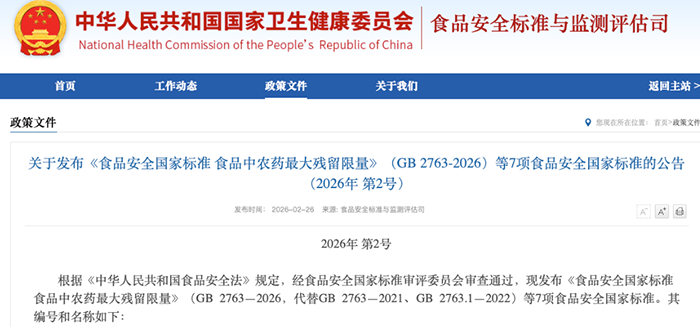
On March 1, 2026, the "National Food Safety Standard: Maximum Residue Limits for Pesticides in Foods" (GB 2763-2026) officially takes effect! This new standard introduces 370 additional residue limits and revises 23 existing ones, establishing 10,749 maximum residue limits for 585 pesticides. With expanded testing scopes and upgraded parameter requirements, it imposes stringent demands on the efficiency and precision of laboratory sample preparation.
With over a decade of expertise in sample preparation and technical support from research institutions like the Chinese Academy of Sciences and Shanghai Jiao Tong University, Shanghai Jingxin holds more than 90 patents. We offer a comprehensive range of sample preparation equipment—including grinders, shakers, centrifuges, and concentrators—covering the entire workflow for pesticide residue testing. Our solutions ensure data accuracy from the very first step, helping agricultural testing agencies, third-party labs, and food enterprises confidently meet the challenges of the new standards.
Core Pain Points in Pesticide Residue Sample Preparation Under the New Standards
The accuracy of pesticide residue detection is determined at the very first step of sample preparation. According to the requirements of the new supporting standards (such as GB 23200.121-2026), pesticide residue detection must go through several key processes including grinding, oscillation, centrifugation, and concentration. Traditional methods or single-function devices often have many shortcomings:
1. Tedious process and low compatibility: The workflow is cumbersome, equipment at various stages are incompatible, and transfer between processes takes a long time, failing to meet the needs of high-throughput detection.
2. Insufficient grinding and low extraction efficiency: Inadequate sample grinding leads to low extraction rates of target substances and distorted subsequent detection data.
3. Risk of target compound loss: Traditional concentration equipment can easily cause the loss of heat-sensitive or volatile pesticides, resulting in substandard recovery rates and false negatives.
4. Labor-intensive and error-prone: Operation of multiple devices requires dedicated personnel, leading to large human errors and a high risk of cross-contamination, affecting detection accuracy.
Jingxin's One-Stop Sample Preparation Solutions
Jingxin’s full range of equipment is designed to work seamlessly together, ensuring efficient, precise, and contamination-free sample preparation from start to finish.
Step 1: Sample Grinding
Efficient Pulverization for Enhanced Extraction
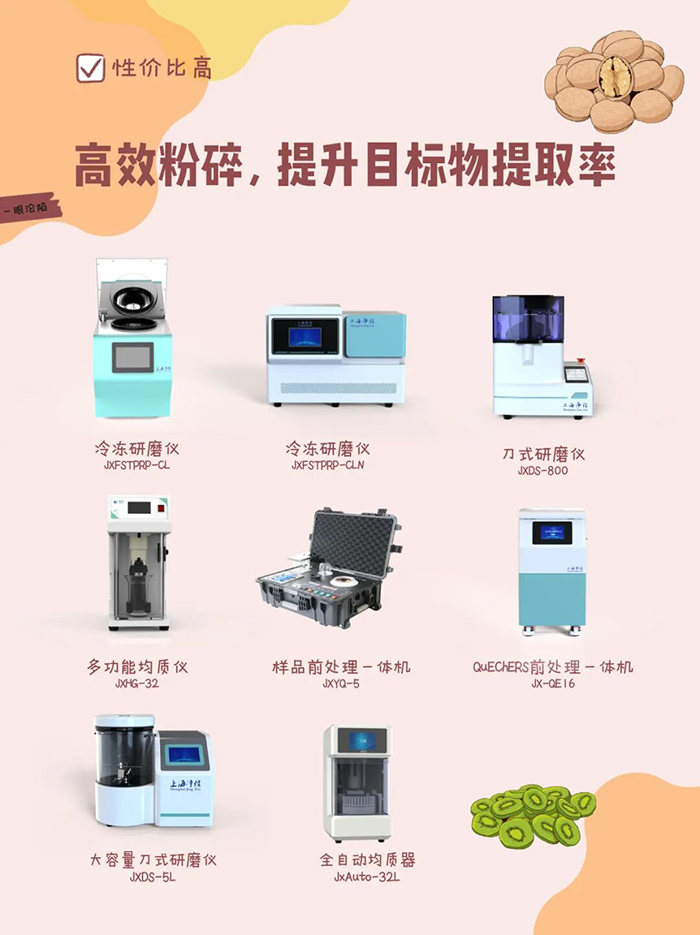
Sample grinding is the foundation of pesticide extraction. Jingxin offers various grinders designed for different agricultural product matrices and testing requirements, rapidly pulverizing samples to significantly increase pesticide extraction rates.
Step 2: Oscillation and Mixing
Thorough Extraction for Complete Pesticide Recovery
Step 3: Centrifugal Separation
Rapid Phase Separation for Precise Supernatant Collection
The JX-QE-16 All-in-One Sample Preparation Machine utilizes the QuEChERS method, integrating oscillation and centrifugation into a continuous automated workflow (combining steps 2 and 3). This significantly reduces processing time and improves efficiency.
Step 4: Vacuum Centrifugal Concentration
The Critical Step for Meeting Stringent New Standards
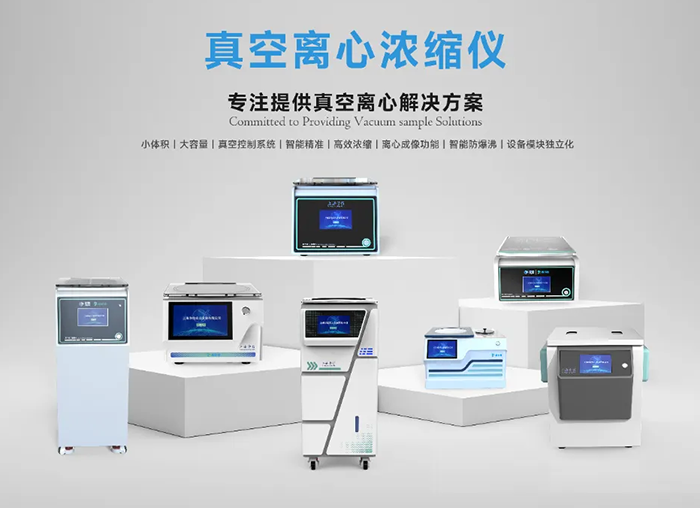
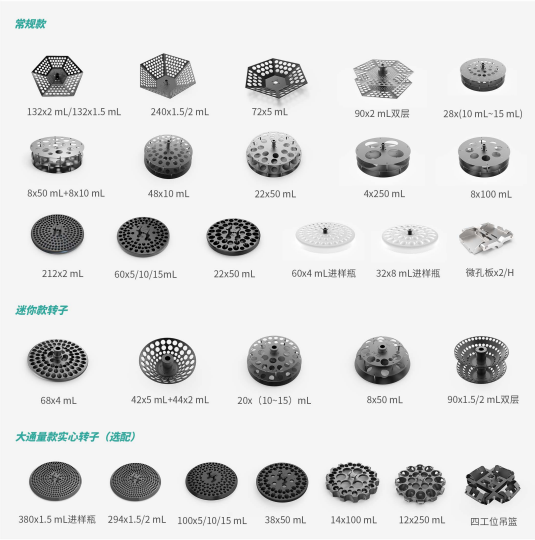
Concentrating the supernatant after oscillation and centrifugation is key to enriching pesticide residues and determining detection recovery rates. To meet the diverse needs of laboratory scenarios under the new standards, Shanghai Jingxin provides a full series of vacuum centrifugal concentrators, including:Refrigerated models、Acid/Alkali resistant models、High-throughput models、Automated models、Integrated models
Real Client Case Studies
Jingxin’s equipment is trusted by over 60,000 laboratories nationwide, serving as a preferred partner for agricultural testing agencies and customs inspection.
Case 1: Nucleic Acid Concentration
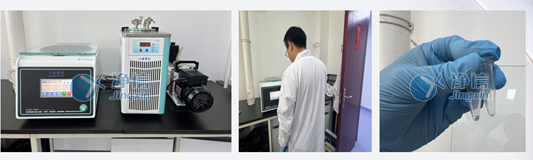
This experiment used Jingxin’s vacuum centrifugal concentrator to concentrate nucleic acid samples, ensuring precise downstream detection for molecular biology and pesticide testing applications.
Equipment: Jingxin touch-screen host + -50°C cold trap + vacuum oil pump
Conditions: Temperature: 50°C; Container: 1.5 mL centrifuge tube; Sample: 50μL nucleic acid solution (aqueous); Time: 10min
Case 2: Amino Acid Concentration
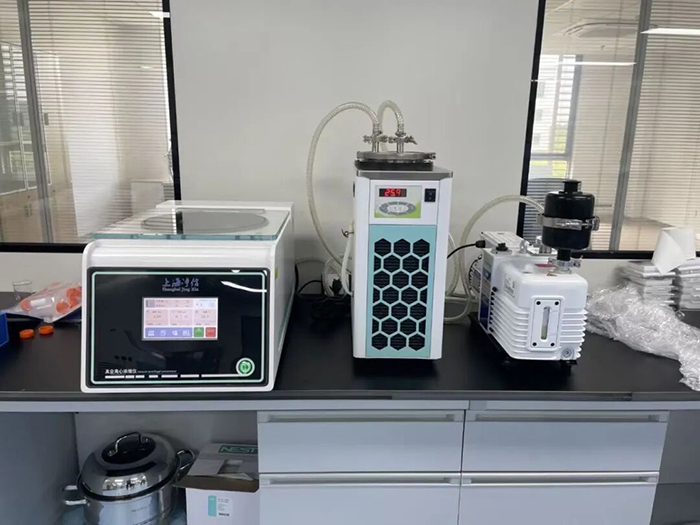
Aligned with the "National Food Safety Standard for the Determination of Amino Acids in Foods" (GB 5009.124-2016), this experiment demonstrates the instrument's ability to support amino acid analysis and nutritional testing in food.
Equipment: Jingxin acid/alkali resistant host + -50°C cold trap + corrosion-resistant vacuum oil pump
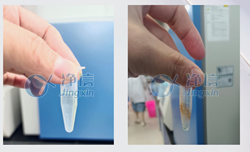
Results: All 80 samples were successfully concentrated with no target loss. After adding 1mL of water, samples were ready for amino acid analyzer testing.
Technical Expertise and Support
Shanghai Jingxin focuses on independent research and development, offering high-performance, cost-effective equipment widely used in environmental monitoring, life sciences, and pharmaceutical R&D.
Leveraging the Jingxin Cloud remote maintenance system, we provide:2-hour rapid response、On-site installation and technical training、Regular maintenance services
We guarantee over 95% equipment utilization, providing comprehensive technical support for your laboratory.
The time to upgrade your sample preparation is now! Choose Shanghai Jingxin for a complete, one-stop solution. From grinding to concentration, our integrated equipment ensures the efficiency and accuracy of pesticide residue testing, helping you effortlessly meet the new standards and safeguard food safety.
Image Source Note: The policy document screenshots in this article are sourced from the official website of the National Health Commission of the People's Republic of China (Department of Food Safety Standards and Monitoring Assessment, Announcement No. 2 of 2026), and are used solely for policy interpretation and industry exchange.